
Temporary Retainers in New York
Keep Your Teeth Where You Want Them, While You Wait for the Permanent Fix
A retainer coming loose isn’t bad luck — it’s almost always a bonding problem: wire positioned at the wrong angle, surface prep rushed, or bonding material not fully covering the wire. Speed kills here, which is why OmniWorks doesn’t rush it.
Here’s the truth: your teeth want to go back to where they started. That’s what teeth do. The retainer is what stops that. But most temporary retainers fall off within months because they weren’t bonded right, and when they fail, you lose what you invested years in straightening.
What Are Temporary Retainers?
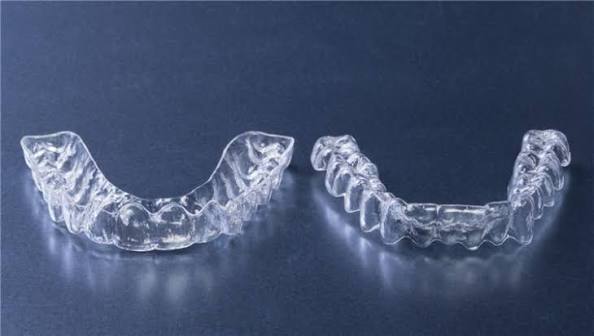
A temporary retainer is a thin wire bonded to the back of your front teeth. It holds them in place so they don’t drift after the braces come off.
It’s not permanent; it buys you time, usually a few months to a year, while you transition to your long-term solution. The keyword is ‘temporary.’ But that doesn’t mean it should feel flimsy.
Why Most Temporary Retainers Fail
The frustration is real; you did your part, wore your braces, followed instructions. And now this thin wire is coming off. Most labs don’t bond temporary retainers properly:
Wire position wrong. Too high, too low, or at an awkward angle, bonding stresses are unbalanced, and it peels off under normal pressure. It also bothers the tongue.
Surface prep skipped or rushed. The surface must be perfectly clean, etched, and dry before bonding. ‘Good enough’ isn’t good enough. The bond fails.
Bonding material not fully applied. Every millimetre of wire needs to be covered. Any gap fails under daily pressure. Speed kills here.
How We Bond Retainers That Actually Last
Wire Positioned With Precision
The wire runs along the cingulum, exactly right, not approximately right. Balanced bonding stresses. Optimal retention. No tongue irritation.
Premium Bonding Material for Long-Term Hold
We use material specifically designed to stay bonded while remaining flexible enough to absorb the forces of your teeth trying to shift.
Complete Coverage, No Gaps
The material flows under and around every millimetre of wire. Proper curing. No rushing. A bond built to last.
Full Inspection Before Delivery
Positioning, coverage, no rough spots. No surprises when your patient leaves the office.
Every case gets precise wire positioning along the cingulum, thorough surface prep, full bonding coverage with no gaps, and a full inspection before delivery.
Temporary Retainers for Different Situations
Front Teeth Only: The six front bottom teeth shift most after braces. We keep them exactly where your orthodontist positioned them.
Extended Wire Retainers: When more teeth need coverage, the wire extends further back. Same precision, more protection.
Quick Replacement: If a retainer breaks or comes loose, we prioritize replacements. You don’t want teeth shifting while you wait.
You Keep Your Investment. Your Teeth Stay Straight.
That orthodontic work cost time and money. A temporary retainer is what stops you from losing it. It’s not flashy. It’s not what people see. But it’s one of the most important things you’ve got. At OmniWorks, we make sure it actually works.
Frequently Asked Questions
How long does a bonded retainer typically last?
With proper bonding technique, 6 months to well over a year — some patients keep them for years. Surface prep and bonding quality determine most of that range.
What should happen if a patient's retainer comes loose or breaks?
They should contact your office right away rather than waiting — teeth can begin shifting within days of a failure. Advise against hard or sticky foods until it’s re-bonded or replaced, and don’t let them try to push the wire back into place themselves.
Is there an adjustment period for tongue irritation?
Most patients notice it for a day or two, then forget it’s there. If it’s still bothering them after a week, there may be a rough edge worth smoothing down.
Can you fabricate permanent bonded retainers?
Yes — when a patient is ready to move from temporary to permanent retention, we build a bonded retainer designed to last for years.
Do patients still need a removable retainer with a bonded one?
That’s your call as the treating clinician — some patients rely solely on the bonded retainer, others also wear a removable retainer at night as extra insurance, depending on how much movement occurred originally and how consistent the patient is likely to be.
Why OmniWorks for retainers in New York State?
Most retainer failures come down to rushed surface prep or wire placement, not bad luck. We position the wire precisely and don’t move on until the surface is cleaned, etched, and fully dried. We’ve been doing this since 2006.